Old constants, reconstructed
Software and papers are full of numbers that shipped without an explanation. These notes work out where some of them came from, each time by rebuilding the published values exactly. Some turned out to be new; some had been explained before, and the chart says which.
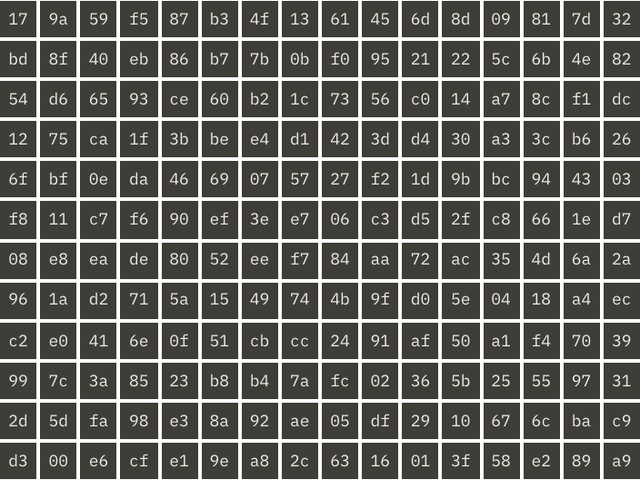 RC2’s π tablesTwo 256-byte tables in a 1987 cipher, rebuilt from the digits of π.
 Office’s password tablesThe numbers behind Word and Excel’s old password box are a 16-bit checksum.
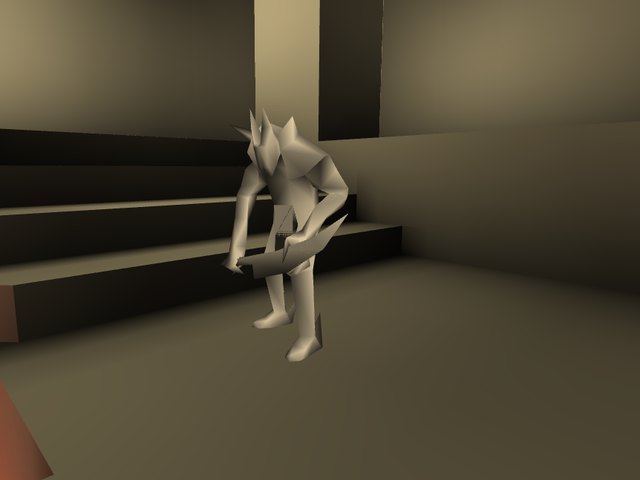 Quake’s 162 normalsEvery Quake model lights itself from one list of 162 directions. How it was made.
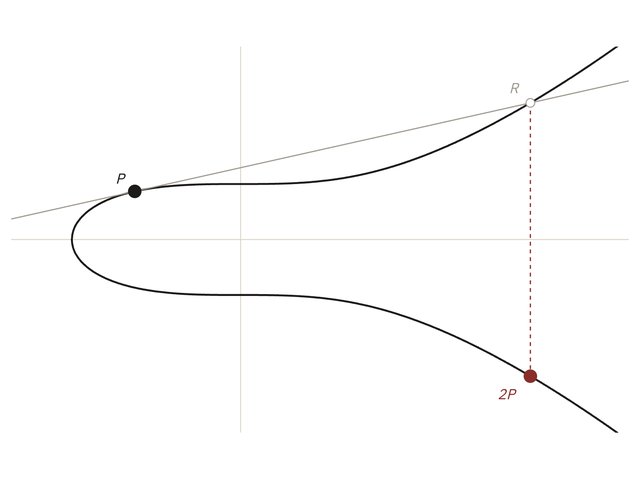 Certicom’s curve generatorsBitcoin’s curve has siblings whose starting points reuse each other’s hidden values.
How long each one went unexplained
Both 256-byte tables rebuilt from the decimal digits of π with a card shuffle that reads three digits per draw. RC2 was designed for Lotus Notes, 1987–89.
The XorMatrix and InitialCode tables in legacy Word and Excel password protection are a precomputed CRC-16.
Regenerated in order, digit for digit, from the OpenGL Red Book’s icosahedron in 32-bit floats. “No known formula,” said the 1996 fan specification.
Divided by the cofactor, 18 standard generators show hidden values shared between sibling curves or reused from earlier ones. Parts were spotted from 2015.
Pearson’s 1990 table, read down the columns. The table and its link to HashData were already public.
It is RC2’s second table, as Quarkslab noted in 2013, so it too comes from π.
Sets II and III round to every printed value, given his statistics and each plot’s shape. Not written up while the 2024 paper is unread.
All 4,096 entries rebuilt from the RAND Corporation’s book of random digits; the method was already in the patent.
Each bar runs from the year a constant entered use to the year it was explained, and is drawn with the constant’s own values. Select a row for the finding.
How these were found
- CollectFind constants that shipped without an explanation, and the questions people asked about them.
- TestTry constructions against the published numbers. Only an exact match counts.
- RebuildA second model, OpenAI’s Codex, rebuilds the main results independently.
- CheckSearch for prior work before calling anything new.
The work is an experiment in what AI agents (Claude) can do with old, checkable questions. Most attempts fail: an automated harvest of 6,654 unanswered questions produced nothing, and these resisted every method tried:
- bzip2’s randomisation numbers
- UnRAR’s substitution table
- the Skipjack S-box
What worked best was adjacency: once one table is explained, look at the tables made by the same people, in the same years, the same way.